Vinyl Siding in Sacramento: The Value and Low-Maintenance Choice

Vinyl Siding in Sacramento: The Value and Low-Maintenance Choice

Not every Sacramento home needs the most heavy-duty exterior on the market. For many homeowners, especially in the region's practical suburban neighborhoods, vinyl siding is the sensible answer: lower in cost, low in upkeep, and far better than the warping, fading product of decades past. Modern vinyl has genuine advantages in the valley, along with a few honest limitations worth knowing. This is a straight look at where vinyl siding fits in Sacramento, what it does well, and where a homeowner should think carefully before choosing it.

Best Exteriors Construction, Inc. has served the Sacramento area for over two decades from 5041 College Oak Dr Ste C, holds a 4.9 out of 5 rating across 230-plus reviews, and is CSLB licensed and insured under License #923505. The company installs both fiber cement and vinyl, which lets it help homeowners choose honestly rather than pushing one material. The points below cover the vinyl case. Every home is different, so treat this as background rather than a substitute for a free in-home assessment.

The Value Case

The clearest reason homeowners choose vinyl is cost. It is the most budget-friendly of the common siding materials, which makes it attractive for homeowners working within a set budget, for rental and investment properties, and for a curb-appeal refresh that does not need a top-of-the-line material. When the goal is a clean, updated exterior at a manageable price without a high-end budget, vinyl earns its place in the conversation for many Sacramento homes and rental properties alike.

That value extends past the initial cost. Because modern vinyl siding is durable and low-maintenance, it does not carry the ongoing repainting expense that wood siding does in Sacramento's harsh sun. The savings compound over the years the siding stays on the home. For a homeowner focused on getting the most exterior improvement for the money, vinyl offers a combination of a lower starting price and modest upkeep that is hard for other materials to match.

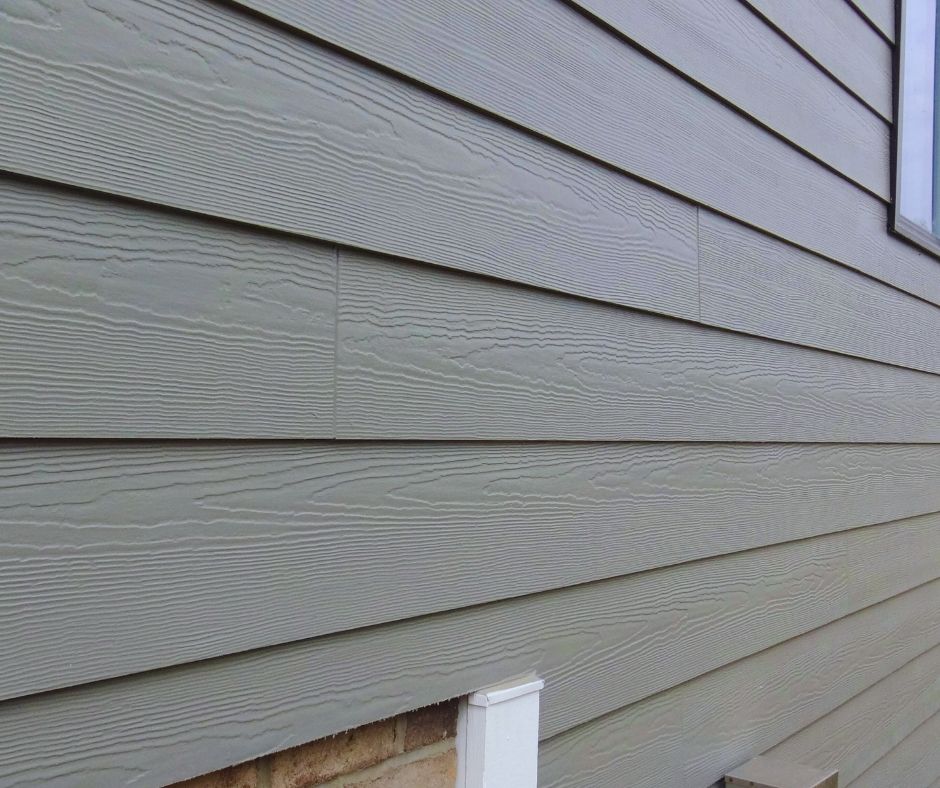
Vinyl color runs through the panel

Because the color is part of the material rather than a painted coating, vinyl never needs repainting, a real advantage under the Sacramento sun that peels paint on wood.

Insulated vinyl adds R-value

Foam-backed vinyl bonds insulation to the back of each panel, helping with cooling bills in the valley heat while making the panels more rigid and impact-resistant.

Vinyl is combustible, so it is not a fire-hardening material

Vinyl softens and melts at high heat, so for high fire-risk areas near wildland, non-combustible fiber cement is the better exterior.


Social Media & Citations

Never Needs Painting

One of vinyl's signature benefits is that the color runs all the way through the material, so it never needs painting. Under the Sacramento sun, which blisters and peels paint on wood siding within a handful of years, that is a real advantage. There is no scraping, priming, or repainting cycle to schedule and pay for, which removes one of the most persistent maintenance chores a homeowner faces with a painted exterior.

The upkeep vinyl does need is minimal. An occasional rinse with a garden hose keeps the panels looking clean, and that is largely the extent of the routine upkeep it asks for. For a homeowner tired of the repainting treadmill, the freedom from painting is often the deciding factor in favor of vinyl. It turns the exterior from an ongoing project into something close to a set-and-forget surface, at least in terms of routine maintenance.

Rot and Termite Resistance

Like fiber cement, vinyl does not rot when wet and offers nothing for termites to eat. In a region where the tree canopy keeps some walls shaded and damp, and where termites are a known concern, that resistance matters. Wood siding on the shaded, moisture-prone sides of a home is where rot and pest damage tend to appear, and vinyl sidesteps both problems entirely.

This makes vinyl a practical replacement for aging wood siding that has succumbed to moisture or pests. A homeowner replacing rotted wood clapboard with vinyl removes the vulnerability that defeated the original material. Combined with the freedom from painting, that resistance to rot and termites is part of what makes vinyl a genuinely low-maintenance choice for the right Sacramento home, rather than just a cheaper one.

The Honest Caveats: Heat and Fire

An honest look at vinyl includes its limits. The first is heat and ultraviolet exposure. Sacramento's 100-degree-plus summers and intense sun can fade bargain-grade vinyl over time, which is why the quality of the panel matters more here than in a mild climate. Heat-rated panels from reputable makers hold their color and shape far better than cheap builder-grade product, so the grade chosen makes a real difference in how the siding ages under the valley sun.

The second caveat is fire. Vinyl is combustible, softening and melting at high heat, so it is not the fire-hardening choice for high-risk areas near wildland. In those settings, non-combustible fiber cement is the better fit, and an honest contractor will say so. For most in-town Sacramento homes away from the highest-risk zones, this is less of a concern, but it is a genuine trade-off a homeowner should weigh rather than gloss over.

Insulated Vinyl for the Valley Heat

One way to get more from vinyl in Sacramento is to choose insulated, foam-backed panels. Standard vinyl offers little insulating value, but insulated vinyl siding bonds a layer of foam to the back of each panel, adding R-value that helps with cooling bills in the valley heat. It also makes the panels more rigid and impact-resistant, and it can improve the look by keeping the panels flat against the wall.

For a cooling-dominated climate like Sacramento's, that added insulation is a meaningful upgrade over basic vinyl. It helps the home hold its conditioned air and eases the load on the air conditioner during the long summer. A homeowner leaning toward the material for its value can still gain some energy benefit by stepping up to an insulated product, and a knowledgeable installer can explain whether it makes sense for a given home and budget.

Styles and Profiles

Modern vinyl comes in a range of profiles that suit different architectural styles. Traditional lap siding is the most common, and Dutch lap adds a shadow line for more depth. Vertical board-and-batten and shake or shingle-look panels open up other design options for accents or whole homes. The color and profile choices let a homeowner update a home's look while gaining the low-maintenance benefits of the material.

This variety means vinyl is not a one-look material. A homeowner can match the profile to the home's style, choose a color that fits the neighborhood, and get a coordinated result. Paired with quality panels rated for the Sacramento heat, that design flexibility helps produce an exterior that looks intentional rather than generic, which matters for curb appeal and resale value in the region's suburban neighborhoods.

Where Vinyl Fits Best in Sacramento

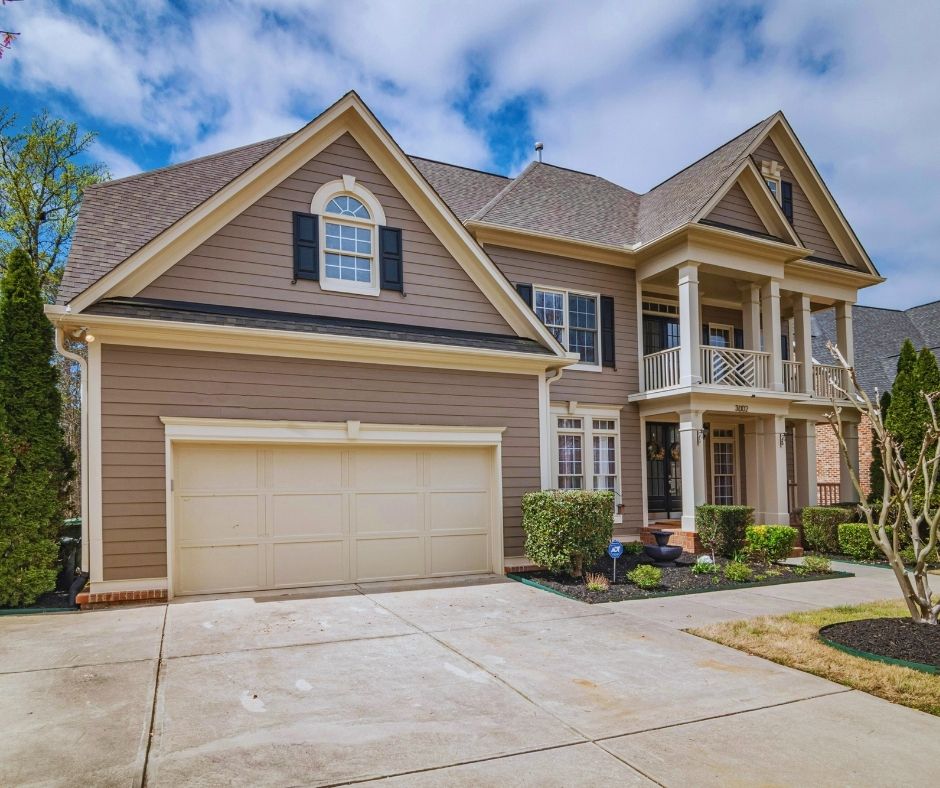
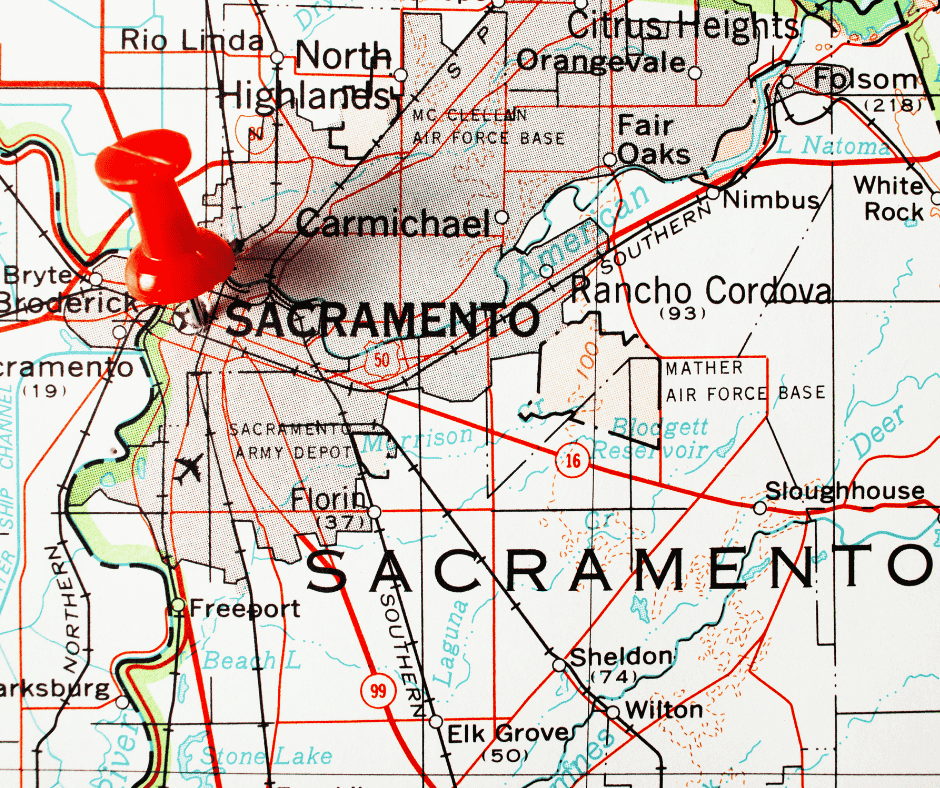
Vinyl has a natural home in Sacramento's practical suburban neighborhoods, places like Citrus Heights, Rancho Cordova, North Highlands, Carmichael, and parts of Elk Grove, where the housing stock favors value and easy upkeep. In these areas, vinyl delivers a clean, updated look without the cost of heavier materials, and it fits the character of the neighborhood well. For a homeowner in the suburban ring around Sacramento, it is often the practical and sensible choice.

The historic core is a different story. Neighborhoods like Land Park, Curtis Park, East Sacramento, and Old Sacramento often have design-review considerations that restrict or prohibit vinyl on older homes, so eligibility should be checked before planning a vinyl project in one of these areas. A contractor familiar with the region can flag where vinyl siding is a good fit and where the neighborhood or the home's character points toward a different material.

Vinyl Compared to Fiber Cement

Choosing between vinyl and fiber cement comes down to priorities. Fiber cement leads on durability and fire resistance and makes up the majority of the company's local installs, while vinyl leads on upfront cost and simplicity. Both resist rot and termites and both free a homeowner from repainting, so the decision often turns on budget, fire considerations, and how long the homeowner plans to stay in the home.

Because Best Exteriors installs both, a homeowner gets an honest comparison rather than a sales pitch for whichever material a company happens to sell. For a budget-focused project, a rental property, or a home in a suburban neighborhood, vinyl siding may be exactly right. For a home in a fire-prone area or one where a homeowner wants the longest life, fiber cement may be the better call. Having both options on the table leads to a better decision.

Installation Still Matters

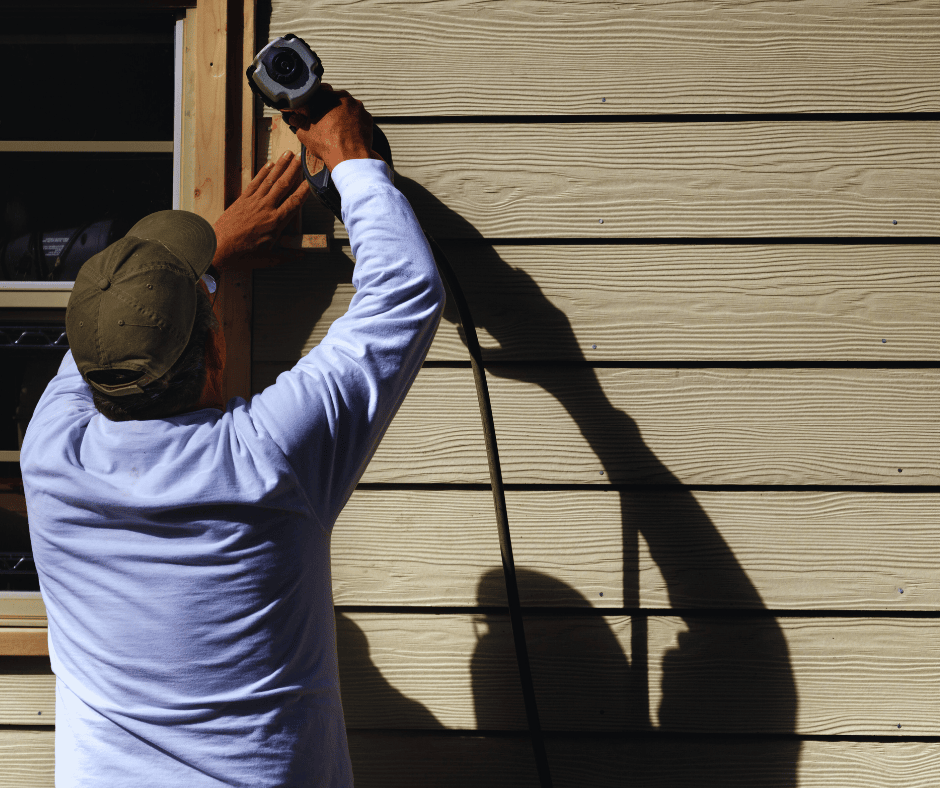
Even with a value material, installation quality determines how the siding performs. Vinyl must be fastened to allow for thermal movement, since the panels expand and contract with temperature swings, and Sacramento's daily heat swings are significant. Fastened too tightly, vinyl can buckle; fastened correctly, it lies flat and handles the movement without a problem. A weather-resistive barrier behind the panels protects the wall from any moisture that gets past the siding.

These details separate a vinyl job that looks good for decades from one that buckles or lets moisture in within a few seasons. A licensed, experienced crew installs vinyl with the correct fastening and the proper moisture protection behind it, so the value material performs as intended. Hiring a contractor who treats a vinyl install with the same care as a higher-end material is part of getting the most out of the value choice.

A Practical Choice for the Right Home

The honest summary is that vinyl siding is a practical, value-driven material that fits a large share of Sacramento homes well, provided the panel grade suits the valley heat and the home is not in a high fire-risk zone or a restricted historic district. For budget-conscious projects, rental and investment properties, and suburban homes where low maintenance is the priority, it delivers a clean, updated exterior at a manageable cost with very little ongoing upkeep.

What makes the choice sound is honest guidance and a careful install. A contractor that offers both vinyl and fiber cement can point a homeowner to the material that truly fits, and a crew that installs vinyl siding with the correct fastening and moisture protection makes sure it performs. With the right product and the right installation, vinyl remains one of the most sensible exterior choices for the right Sacramento home.

Brands and Quality Grades

Not all vinyl is the same, and the brand and grade shape how the siding performs and looks. Reputable manufacturers such as CertainTeed, Alside, Mastic by Ply Gem, and Royal Building Products offer product lines that range from builder-grade panels to thicker, higher-grade options with better rigidity and color retention. In Sacramento's heat, stepping up from the thinnest builder grade to a quality panel pays off in how the siding weathers the sun over the years.

Panel thickness and grade also affect the finished look. Thicker panels lie flatter and resist the waviness that can make cheap vinyl look inexpensive, and higher grades often carry stronger warranties. A knowledgeable installer helps a homeowner match the grade to the goals and budget, so the vinyl chosen suits both the wallet and the valley climate. Choosing a quality panel from a reputable maker is one of the simplest ways to get a vinyl exterior that looks good and lasts, rather than one that disappoints within a few Sacramento summers.

Working With Best Exteriors

Choosing the right siding material for a home is exactly what a free consultation is for. Best Exteriors is CSLB licensed and insured under License #923505, carries a BBB A+ rating, and is Diamond Certified. Because the company installs both vinyl and fiber cement, it can lay out the honest trade-offs for a specific home. It handles plans and permits, backs its work with a lifetime warranty on installation, and offers 0 percent financing with zero down payment, starting every project with a free in-home or virtual consultation and upfront pricing.

A Sacramento homeowner weighing vinyl siding in Sacramento can call (916) 252-2693 for a free consultation and clear pricing. Best Exteriors serves Sacramento and nearby communities including Carmichael, Citrus Heights, Folsom, Rancho Cordova, and Elk Grove. Because the right material depends on the home, the neighborhood, and the budget, an on-site look is the surest way to decide whether vinyl or another material fits the project best.

Redirect to:


Frequently Asked Questions

For many homes, yes. Vinyl is the budget-friendly, low-maintenance option: the color runs through the material so it never needs painting, and it resists rot and termites. The caveats are heat and fire: choose quality heat-rated panels for the valley sun, and note vinyl is combustible, so fiber cement is better for high fire-risk areas.
Bargain-grade vinyl can fade under Sacramento's 100-degree summers and intense sun, which is why panel quality matters more here than in mild climates. Heat-rated panels from reputable manufacturers hold their color far better. Best Exteriors installs both vinyl and fiber cement and can advise on the right grade for your home.
It can be. Insulated, foam-backed vinyl adds R-value that helps with cooling bills in the valley heat, makes the panels more rigid and impact-resistant, and keeps them flat against the wall. For a cooling-dominated climate, stepping up to an insulated product is a meaningful upgrade over basic vinyl.