Emergency Heating Repair in Ogden, UT: What Knocks Out the Heat and How It Gets Fixed Fast

Emergency Heating Repair in Ogden, UT: What Knocks Out the Heat and How It Gets Fixed Fast

When a heating system quits without warning on a cold Weber County night, the first question a homeowner asks is why. The answer is rarely obvious from the symptom, because a home that suddenly has no heat can trace the failure to any of several parts, each producing a slightly different set of clues. Understanding what commonly knocks out the heat, and how a technician restores it quickly, helps a homeowner see why emergency heating repair in Ogden, UT starts with a real diagnosis rather than a guess. One Hour Heating and Air Conditioning of Ogden, owner-led by Matt McFarland, answers those calls around the clock and works through the failure methodically to get the heat back on the first visit.

The reason diagnosis matters so much in an emergency is that a heating system is a chain of components that must fire in the right order, and a break anywhere in that chain stops the heat. A homeowner who assumes the worst, or who replaces the wrong part, can spend money and still be cold. A technician doing emergency heating repair in Ogden reads the system's sequence of operation, tests the components in order, and identifies the specific failure, which is what turns a cold house into a working one quickly. Speed in an emergency comes from an accurate diagnosis, not from rushing to swap parts.

The Common Causes of a Sudden No-Heat Failure

Most emergency heating calls trace to a familiar set of failure points, and knowing them shows why a full diagnosis is worth the visit. A gas furnace, the most common heating system across Ogden, can fail for several reasons.

  • The ignition system, either a hot surface igniter or an ignition module, that fails to light the burners.
  • The flame sensor, a metal rod that confirms the burner lit; when dirty or worn, it shuts the furnace down for safety.
  • The draft inducer motor, which clears combustion gases before ignition and blocks startup when it fails.
  • The blower motor, which moves heated air through the ducts; a failure here means heat that never reaches the rooms.
  • A tripped limit switch, a failed gas valve, or a control board fault, any of which interrupts the heating cycle.

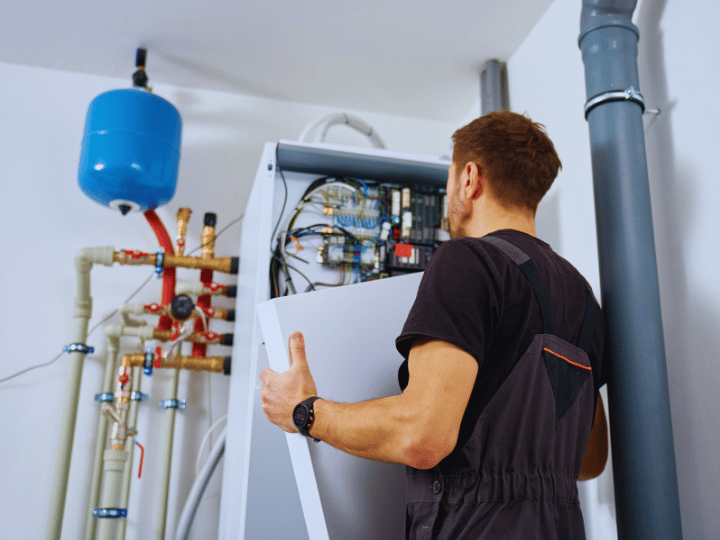
Each of these produces a different clue, and a technician handling emergency heating repair in Ogden works through them rather than guessing. A furnace that clicks and tries to light but will not stay lit points toward the flame sensor or ignition; one that hums but does not blow points toward the blower motor or its capacitor; one that does nothing at all points toward power, the control board, or a safety lockout. Reading those clues correctly is what makes the repair fast and lasting, and it is why a middle-of-the-night failure is best handled by a technician who does this work regularly.

Most no-heat calls are a single part

Many heating failures trace to one component, an igniter, a flame sensor, or a capacitor, which is why a prepared technician can often restore heat on the first visit.

Heat pumps fail differently than furnaces

A heat pump can lose heat to a defrost fault, a stuck reversing valve, or low refrigerant, so an emergency technician has to know both systems to diagnose either quickly.

A fast fix still includes a safety check

A furnace that failed on a combustion problem should not simply be forced back on, so a responsible emergency repair confirms the system is safe as well as running.

Social Media

When the Home Runs a Heat Pump

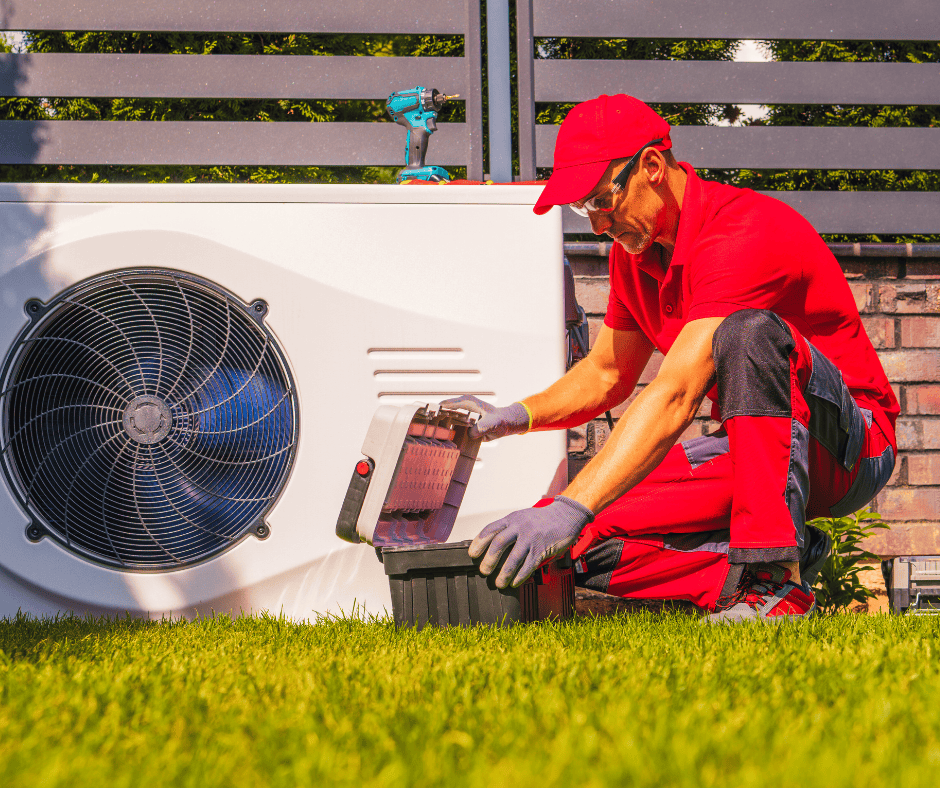
A growing number of Ogden homes heat with a heat pump or a dual-fuel system, and those fail in their own ways that an emergency technician has to know. A heat pump can lose heat when its defrost control fails and the outdoor coil ices over, when the reversing valve that switches it between heating and cooling sticks, or when the refrigerant charge runs low and the system can no longer move enough heat. In a dual-fuel setup, a fault in the switchover between the heat pump and the backup gas furnace can leave a home short of heat even when both parts still work. Emergency heating repair in Ogden covers these heat pump failures as readily as furnace faults.

The distinction between a genuine fault and normal cold-weather behavior is part of the diagnosis. A heat pump running a defrost cycle will briefly blow cooler air and may steam at the outdoor unit, which is normal, while a coil that stays iced over is not. A technician who services heat pumps regularly reads that difference quickly, which prevents both an unnecessary part swap and a missed fault. When a household calls for emergency heating repair in Ogden with a heat pump problem, that experience is what gets the system diagnosed correctly at night rather than left for a second visit.

How a Fast Diagnosis Restores Heat

An emergency call is only resolved when the heat runs again, so the speed of the diagnosis is as important as the speed of arrival. A technician doing emergency heating repair in Ogden works through the system's sequence of operation to find the failure fast, then explains what failed and what the repair involves. Many no-heat failures come down to a single component, an igniter, a flame sensor, a capacitor, which is why a prepared technician carrying common parts can often restore heat on the first visit rather than diagnosing one night and returning the next. That first-visit resolution is the whole aim of an emergency service.

Carrying the right parts and knowing the usual failure points is what makes that possible. A company that works Ogden's heating systems every day stocks its trucks for the failures it sees most, so a common no-heat cause can be fixed on the spot rather than ordered and scheduled. For a household in a cooling home, the difference between a same-visit fix and a return trip is the difference between a cold evening and a cold week. That readiness is a practical reason emergency heating repair in Ogden is best handled by an established local company rather than an unfamiliar one.

Diagnosis Includes a Safety Check

A fast repair is not the same as a careless one, and a responsible technician confirms the system is safe as well as functional before leaving. A furnace that failed because of a combustion problem or a cracked heat exchanger should not simply be forced back into service, because doing so can put carbon monoxide into the home. Part of emergency heating repair in Ogden is checking that the heat is restored safely, not just restored, which is why the diagnosis includes the safety systems and, when the symptoms warrant, a carbon monoxide test. That safety step is one more reason a no-heat call belongs with a certified technician rather than a rushed attempt to force the system on.

This is where certification and transparent pricing come together. EPA-, RMGA-, and BPI-certified technicians, Utah licensed, bonded, and insured operation, and the StraightForward Pricing that lays out the repair and cost upfront mean a homeowner gets a fast fix, a safe system, and an honest number, even at two in the morning. A repair that is quick but leaves a safety concern, or quick but padded with hidden fees, is not the standard a household deserves in an emergency. Emergency heating repair in Ogden done right delivers all three, speed, safety, and a fair price.

What a Homeowner Can Check Before Calling

A homeowner waiting for a technician can note a few things that speed the diagnosis, though none replace a professional look. Confirming the thermostat has power and is set to heat, checking that the furnace switch and breaker are on, and glancing at the air filter takes only a moment, and occasionally a dead thermostat battery or a filter choked solid is the whole problem. Noting the age of the system, any noises or smells, and whether a carbon monoxide alarm has sounded gives the technician a head start. Passing that information along when the call is placed can shorten the visit and get the heat back sooner.

What a homeowner should not do is attempt a repair on the gas or electrical side of the system. A furnace combines a fuel supply, open combustion, and high-voltage wiring, and a mistake there can create a fire, a gas leak, or a carbon monoxide hazard. The safe division of labor is simple: a homeowner checks the basics that are safe to check, and a certified technician handles the diagnosis and repair. That approach keeps the household safe while still helping the visit go quickly, which is what matters on a cold night.

h3>Why the System's History Helps

A heating system that fails suddenly often gave quieter warnings first, and its recent history informs the diagnosis. A furnace that had been short cycling, making a new noise, or needing more frequent attention was signaling a developing problem, and a technician who hears that history reads the failure faster. A homeowner who can say the system is fifteen years old and had been acting up for a week gives the technician a meaningful starting point, which is part of why keeping a simple record of a heating system's age and repairs pays off in an emergency.

That history also shapes the repair-or-replace conversation that a major failure can raise. A system that failed after years of trouble-free service and has a single bad part is a clear repair, while one that has been failing repeatedly and is near the end of its expected life may be better replaced than patched again. A technician handling the emergency can restore heat now and lay out that longer decision honestly, so a household in Roy's 84067 or South Ogden's 84403 can weigh it calmly once the immediate crisis has passed rather than under the pressure of a cold night.

Local experience shapes how quickly a technician lands on the right cause. Ogden's housing runs from pre-1970 homes in the 84401 core and along the 84403 East Bench to newer construction in Roy's 84067 and North Ogden's 84414, and each era tends toward certain systems and certain failures. A technician who works these neighborhoods every day arrives with a strong sense of what is likely wrong based on the home and the symptom, which speeds an accurate diagnosis on a cold night. That pattern recognition, built across many local jobs, is part of what an established Weber and Davis County company brings to an after-hours call that an unfamiliar operator cannot.

In the end, the speed of an emergency repair rests on an accurate diagnosis, and an accurate diagnosis rests on experience with the systems Ogden homes actually run. That is why a household is better served by a company that works these heating systems daily and stocks its trucks for the failures it sees most, rather than one guessing in the dark on an unfamiliar unit at midnight.

One Hour Heating and Air Conditioning of Ogden is an independently owned and operated One Hour franchise, owner-led by Matt McFarland and based at 1501 W 2650 S #103 in Ogden, 84401. With 24/7 dispatch, the Always On Time Or You Don't Pay A Dime promise, StraightForward Pricing, a 5-star rating across 568+ Google reviews, a two-year satisfaction guarantee, and Utah licensed, bonded, and insured operation, the company diagnoses the real cause and restores heat safely on the first visit. For a heating system that has failed after hours anywhere from Roy to the East Bench, One Hour Ogden handles emergency heating repair in Ogden fast. Call (801) 829-7633 any hour.
Redirect to:


Frequently Asked Questions

Often, yes. Many no-heat failures come down to a single component, so a technician carrying common parts can restore heat on the first visit rather than returning later. A company that works Ogden's heating systems daily stocks its trucks for the failures it sees most, which is what makes a same-visit fix possible in an emergency.
If the furnace failed because of a combustion problem or a cracked heat exchanger, forcing it back on can put carbon monoxide into the home. That is why a proper emergency repair includes a safety check, not just a restart. A certified technician confirms the system is safe before restoring heat, which a homeowner cannot verify without testing.