
System size directly controls replacement cost, efficiency performance, and long-term operating expenses.
Efficiency ratings raise upfront pricing but reduce energy bills across system lifespan.
Existing ductwork condition often determines installation complexity, labor time, and final pricing.
Air conditioning replacement in Ogden, UT is rarely a simple decision. Many homeowners across Weber County continue repairing aging systems long after efficiency, comfort, and reliability have already declined. In a climate defined by hot summers, dry air, and wide temperature swings, the moment when repair no longer makes sense arrives sooner than many expect.
Homes in Ogden, from the historic East Bench to newer developments in West Haven and Marriott-Slaterville, face different structural and mechanical demands. Older properties often struggle with outdated ductwork and limited electrical capacity, while newer homes demand quiet operation, higher efficiency, and smart thermostat integration. Understanding when replacement becomes the smarter option protects long-term comfort and operating costs.

Most residential air conditioners are built for a service life of roughly fifteen years. In Ogden, many systems installed in the early 2000s now operate well beyond that window. As components wear, efficiency declines and stress on the compressor increases. Cooling capacity slowly falls behind the needs of the home.
The R-22 refrigerant phase-out is one of the biggest drivers behind replacement decisions. Systems still using R-22 Freon face rising refrigerant costs and limited availability. Even minor leaks become expensive repairs. For homeowners in zip codes like 84403 and 84405, replacing an R-22 system often costs less over time than continuing service.
Frequent repairs also signal declining system health. When service calls become seasonal instead of occasional, internal components such as the variable speed compressor or high-efficiency coil are no longer operating within design limits. At that point, reliability drops and energy use rises.
Ogden's neighborhoods vary widely in age and layout. Historic East Bench homes near Mount Ogden Park often require system retrofitting due to tight mechanical spaces and older duct layouts. Shadow Valley and Mount Ogden neighborhoods include larger homes with higher cooling loads and multi-level airflow challenges.
Newer developments in West Haven, Taylor, and Marriott-Slaterville demand higher SEER2 rated equipment to meet modern efficiency expectations. These homes benefit from proper load calculation, updated line set sizing, and pad leveling to ensure stable outdoor unit operation.
Without accurate evaluation, replacing an air conditioner with a similar size unit can repeat past mistakes. Manual J load calculations account for insulation levels, window exposure, square footage, and occupancy patterns. This step prevents installing equipment that is either undersized or oversized for the home.
Many homeowners focus on the price of a single repair rather than the cumulative cost of ownership. A compressor replacement, refrigerant recharge, or coil repair may seem reasonable in isolation. Over time, these expenses add up while efficiency continues to fall.
Rising energy costs make this gap more visible. Older systems consume more power to deliver less cooling. Homes near Weber State University and Historic 25th Street often see noticeable summer bill increases without any change in usage. At that stage, replacement becomes a financial decision as much as a comfort one.
Replacing an aging system also reduces carbon footprint by lowering energy demand. Modern energy-efficient cooling systems deliver more output with less electrical draw, aligning with Energy Star standards and utility efficiency goals.
Modern air conditioning replacement options differ significantly from systems installed fifteen or twenty years ago. Variable speed compressors adjust output continuously rather than cycling on and off. This allows longer run times at lower speeds, improving temperature stability and reducing wear.
High-efficiency coils and improved airflow design help maintain consistent cooling even during peak heat. Smart thermostat integration allows precise control, scheduling, and remote monitoring. These features matter in Ogden homes where temperature changes can occur quickly.
Heat pumps have also become a popular replacement option. For Utah's climate, modern heat pumps provide efficient cooling in summer and dependable heating in shoulder seasons. Dual fuel systems combine electric heat pumps with gas backup for flexibility and efficiency.
Not all air conditioning systems perform equally in Ogden's environment. Reputable brands such as Lennox, Carrier, Trane, Goodman, and Amana offer proven reliability across central air systems and heat pumps. These manufacturers support long-term parts availability and manufacturer warranty coverage.
For homeowners seeking quiet operation and compact installation, Daikin Fit systems provide side-discharge designs that work well on tight lots common in older neighborhoods. Mitsubishi Electric ductless mini-splits are often selected for additions or areas where extending ductwork is impractical.
Choosing authorized dealers ensures warranty validity and proper installation standards. Equipment quality only delivers value when installed correctly.
Air conditioning replacement is as much about installation quality as equipment selection. Proper pad leveling ensures the outdoor unit operates without vibration or drainage issues. Correct disconnect box placement and whip connections protect electrical safety and code compliance.
Line set integrity is critical. Reusing contaminated or undersized refrigerant lines can reduce system lifespan. Insulated line sets maintain efficiency and protect against moisture intrusion. These details determine long-term reliability.
Smart thermostat calibration finalizes the process. Proper setup ensures the system responds accurately to temperature changes and humidity levels throughout the home.
Air conditioning replacement in Ogden may qualify for financial incentives. Federal tax credits can reach up to fifteen hundred dollars for qualifying energy-efficient systems. Rocky Mountain Power utility rebates further reduce upfront costs for eligible installations.
Financing options also play a role. Many homeowners choose no-interest financing for twelve months to spread investment while benefiting immediately from lower energy bills. These programs help align replacement timing with budget realities.
Professional HVAC replacement services extend beyond Ogden city limits. North Ogden, South Ogden, Pleasant View, Harrisville, Riverdale, Roy, and Uintah all share similar climate conditions and housing patterns. Local experience across these areas improves system selection accuracy.
Familiarity with Weber County permitting requirements ensures smooth installation and inspection. Local contractors understand electrical standards, setback rules, and zoning considerations that affect replacement timelines.
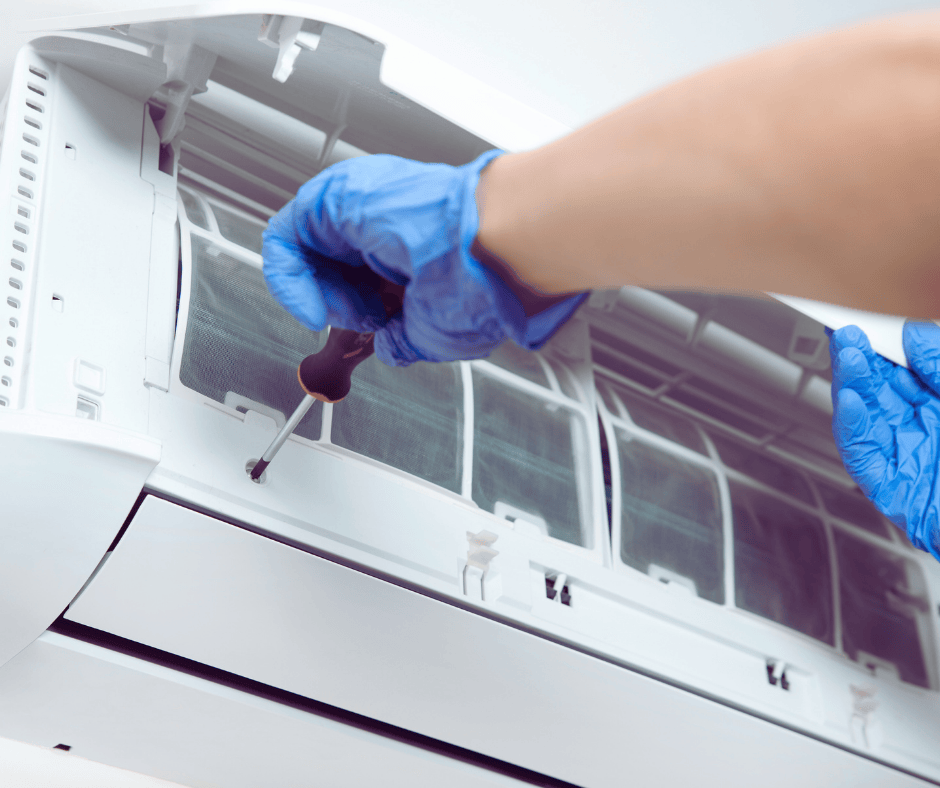
When several of these conditions appear together, replacement typically delivers better value than continued repair.

A professional consultation begins with a full system evaluation. Load calculations, ductwork inspection, and component assessment determine whether replacement is justified and what system best fits the home.
NATE-certified installers explain equipment options, efficiency ratings, and long-term operating costs in clear terms. Homeowners receive recommendations based on performance needs rather than generic sizing.
Replacement should feel like a planned upgrade, not an emergency reaction. Clear pricing, warranty coverage, and installation timelines provide confidence throughout the process.
Air conditioning replacement in Ogden represents an investment in comfort, reliability, and efficiency. When repair is no longer enough, modern systems deliver measurable improvements in performance and operating cost.
One Hour Heating and Air Conditioning provides licensed and insured installation services across Ogden and the surrounding Wasatch Front. With energy-efficient equipment, precision installation, and access to utility rebates, homeowners gain a system designed to perform for years to come.
Scheduling an in-home evaluation is the first step toward dependable cooling, lower energy use, and long-term peace of mind through Utah's hottest months.
Redirect to:
|
This page is a redirect. The following categories are used to track and monitor this redirect:
|