Regenerative Medicine
Evidence-Based Regenerative Care in Laguna Beach
A Physician-Directed Approach to Modern Healing
A Physician-Directed Approach to Modern Healing
Platelet-Rich Plasma (PRP) has been studied in orthopedic literature for knee osteoarthritis and certain tendon injuries, with multiple clinical trials showing symptom improvement in selected patients compared to placebo or hyaluronic acid injections.
Studies consistently show that ultrasound-guided joint and tendon injections are significantly more accurate than landmark-guided injections, which may improve precision and patient confidence during regenerative procedures.
Research in musculoskeletal medicine shows that earlier intervention for tendonitis, ligament strain, and early osteoarthritis is associated with better functional outcomes compared to waiting until degeneration becomes advanced.
Choosing a regenerative clinic can feel exciting and confusing at the same time. Knee pain, joint stiffness, sports injuries, fatigue, and early signs of aging often push people to look for options beyond standard care. In Laguna Beach, CA, interest is especially strong because many residents want to stay active year-round. The local lifestyle includes hiking the canyon trails, walking Heisler Park, and spending long days outdoors along seven miles of protected coastline.
Regenerative medicine in Laguna Beach searches often come from people who want non surgical ways to support healing and performance. The right clinic makes that decision easier by offering clear answers, safe protocols, and a plan that fits real life.
A strong regenerative clinic offers more than a menu of trendy treatments. It starts with a careful evaluation and a clear diagnosis. It also explains why a therapy fits a specific problem, whether that problem is osteoarthritis, tendonitis, a ligament strain, or age-related fatigue.
Regenerative medicine can include cellular therapies and biologics. These approaches aim to support the body's own repair response. When delivered well, care feels structured and calm, not rushed or salesy.
Laguna Beach has distinct neighborhoods with different daily demands on the body. Steep streets in Temple Hill and Mystic Hills can aggravate knee pain. Long stair walks around Victoria Beach can trigger joint inflammation. Regular outdoor training near Top of the World can expose old injuries.
Local care matters because follow-ups should feel convenient, not like a long trip across Orange County traffic. Many patients also prefer a boutique medical experience that feels private and attentive, especially in a high-affluence coastal community like Laguna Beach.
Dolce MD serves Laguna Beach (92651, 92652) and nearby areas such as Newport Beach, Dana Point, Aliso Viejo, Laguna Niguel, Crystal Cove, and Corona del Mar. The clinic's placement near Pacific Coast Highway can be a practical benefit for residents coming from Emerald Bay, Three Arch Bay, and Woods Cove.
Most patients come in with a clear goal. Pain should ease. Movement should feel easier. Energy should return. Skin should look healthier. In regenerative medicine, the common themes often include chronic pain, joint inflammation, sports injuries such as tendonitis or ligament irritation, and osteoarthritis that causes stiffness.
Many patients also seek support for age-related fatigue or hormone imbalance. Some are looking for hair loss support. Others want help with skin laxity, fine lines, and wrinkles, and prefer medical aesthetics that pair well with overall wellness care.
PRP stands for Platelet-Rich Plasma. Platelets are small blood components involved in healing. In PRP therapy, a small blood sample is processed in a centrifuge to concentrate platelets and growth factors. Growth factors are natural proteins that help coordinate tissue repair.
PRP therapy is often used in non surgical orthopedics for tendon and ligament irritation and certain joint pain patterns. It is also sometimes used in hair loss care, depending on the plan.
A quality clinic explains what PRP can and cannot do. It is not a magic fix. It is a tool that may support healing when matched to the right diagnosis and paired with a smart recovery plan.
Ultrasound-guided injections help with precision. Ultrasound is real-time imaging that shows soft tissue structures during the procedure. That matters when the goal is to place regenerative biologics into a specific tendon attachment, irritated ligament, or targeted joint space.
Precision can also help reduce guesswork. Patients often feel more confident when the injection is guided rather than based on estimation.
Stem cell therapy is a broad term. Many patients hear about mesenchymal stem cells, often called MSCs. MSCs are discussed in regenerative care because of their signaling role in tissue support and inflammation response. The details matter, including sourcing, processing, and intended use.
Exosome therapy is also widely discussed. Exosomes are tiny particles involved in cell-to-cell communication. Some regenerative protocols use exosome-based products as part of tissue support and anti-aging medicine plans.
A reputable clinic keeps the conversation grounded. It explains what the clinic offers, why it is offered, and what realistic outcomes may look like. It also avoids overpromising. No regenerative treatment should be sold as guaranteed.
Prolotherapy is an injection approach that uses a solution, often dextrose, to create a controlled irritation response. The goal is to stimulate a healing cascade in connective tissue. It may be considered for certain cases of chronic joint irritation or ligament-related discomfort when a clinician believes it fits the patient's findings.
Prolotherapy can be discussed as an option when a patient wants non surgical care and the pain pattern suggests connective tissue support may help.
Many patients benefit from a plan that looks beyond the joint alone. Functional medicine can address inflammation drivers such as sleep quality, stress load, and nutrition gaps. IV nutrient therapy is sometimes used to support hydration and micronutrients when medically appropriate.
Some clinics also discuss peptides and NAD+ infusions as part of a broader wellness plan. These tools are not direct joint repairs. They may support energy and recovery when used thoughtfully and with clear medical guidance.
BHRT, also called bio-identical hormone replacement therapy, may also be part of care for hormone imbalance. Hormone support is not a knee treatment, but it can affect energy, recovery, and quality of life.
In Laguna Beach, many patients want care that supports both function and appearance. Medical aesthetics can help patients address skin laxity, fine lines, and wrinkles while they also work on pain relief and performance goals.
Examples of brand authority in aesthetics can include Merz Aesthetics, Galderma, AbbVie (Allergan), and SkinCeuticals. Some clinics also use high-end skincare lines such as SkinMedica, Neocutis, and DefenAge. AnteAGE stem cell skincare is also commonly discussed in regenerative aesthetics settings.
A clinic should explain what each aesthetic option is meant to do and how it fits into a patient's broader plan. Patients often appreciate clarity more than hype.
Trust matters because regenerative therapies can be a significant investment of time and money. Patients should feel proud for taking health seriously, and they should also feel protected by a careful medical process.
Many patients look for a board-certified physician, an MD-led facility, and evidence-based cellular therapy when offered. They also value a clinic that documents the plan clearly and uses protocols that put safety first.
Patients often feel better when the decision becomes simple. A few direct questions can reveal how a clinic operates. The best clinics answer clearly and without pressure.
A first visit should feel organized. A clinician should review symptoms, injury history, and goals. The exam should be thorough but easy to follow. The plan should be explained in plain language, with medical terms defined when they matter.
If a patient is worried about “bad news,” the visit should still feel hopeful. Many knee and joint problems improve with the right steps. Early-stage osteoarthritis, chronic inflammation, and tendon irritation often respond better when treated sooner rather than later.
Patients often appreciate a plan that matches the Laguna lifestyle. That might include keeping movement safe instead of stopping activity completely, adjusting training for coastal trails, and building strength to protect joints long-term.
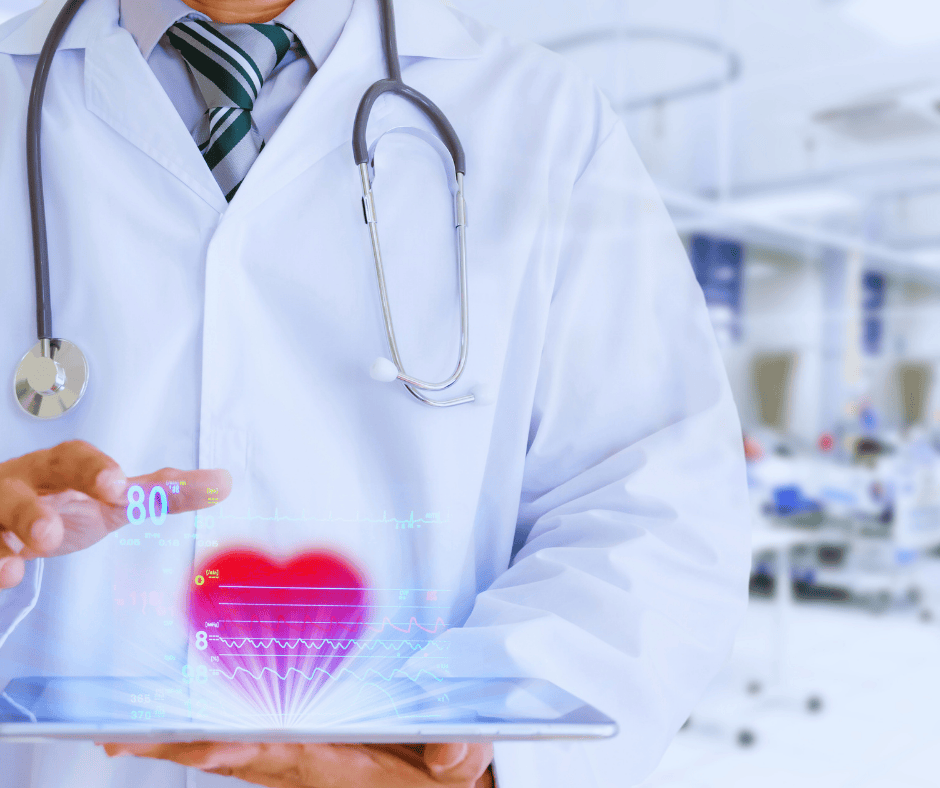
Dolce MD offers regenerative medicine in Laguna Beach with a physician-directed approach and a boutique medical experience. The clinic supports patients seeking non surgical orthopedics, PRP therapy, and other regenerative options when appropriate. Ultrasound-guided injections may be used for precision delivery of regenerative biologics to affected tissue. The practice also provides RF microneedling to support skin rejuvenation, collagen production, and overall improvement in tone and texture with minimal downtime.
Dolce MD also serves patients who want a broader longevity and wellness plan, including IV nutrient therapy, medical weight loss programs with physician supervision, and functional medicine support when medically appropriate. Patients who want aesthetic support can also explore medical-grade options aligned with anti-aging medicine goals.
Scheduling a comprehensive regenerative consultation at Dolce MD can help patients compare non surgical options with clarity and confidence. The next step often starts with one simple action: booking a visit and getting answers that make sense. This information is for educational purposes only and does not replace medical advice. A qualified medical professional should evaluate individual candidacy and treatment options.

Regenerative medicine deals with the "process of replacing, engineering or regenerating human or animal cells, tissues or organs to restore or establish normal function".[1] This field holds the promise of engineering damaged tissues and organs by stimulating the body's own repair mechanisms to functionally heal previously irreparable tissues or organs.[2]
Regenerative medicine also includes the possibility of growing tissues and organs in the laboratory and implanting them when the body cannot heal itself. When the cell source for a regenerated organ is derived from the patient's own tissue or cells,[3] the challenge of organ transplant rejection via immunological mismatch is circumvented.[4][5][6] This approach could alleviate the problem of the shortage of organs available for donation.
Some of the biomedical approaches within the field of regenerative medicine may involve the use of stem cells.[7] Examples include the injection of stem cells or progenitor cells obtained through directed differentiation (cell therapies); the induction of regeneration by biologically active molecules administered alone or as a secretion by infused cells (immunomodulation therapy); and transplantation of in vitro grown organs and tissues (tissue engineering).[8][9]
 |
This section may rely excessively on sources too closely associated with the subject, potentially preventing the article from being verifiable and neutral. (October 2016)
|
The ancient Greeks postulated whether parts of the body could be regenerated in the 700s BC.[10] Skin grafting, invented in the late 19th century, can be thought of as the earliest major attempt to recreate bodily tissue to restore structure and function.[11] Advances in transplanting body parts in the 20th century further pushed the theory that body parts could regenerate and grow new cells. These advances led to tissue engineering, and from this field, the study of regenerative medicine expanded and began to take hold.[10] This began with cellular therapy, which led to the stem cell research that is widely being conducted today.[12]
The first cell therapies were intended to slow the aging process. This began in the 1930s with Paul Niehans, a Swiss doctor who was known to have treated famous historical figures such as Pope Pius XII, Charlie Chaplin, and king Ibn Saud of Saudi Arabia. Niehans would inject cells of young animals (usually lambs or calves) into his patients in an attempt to rejuvenate them.[13][14] In 1956, a more sophisticated process was created to treat leukemia by inserting bone marrow from a healthy person into a patient with leukemia. This process worked mostly due to both the donor and receiver in this case being identical twins. Nowadays, bone marrow can be taken from people who are similar enough to the patient who needs the cells to prevent rejection.[15]
The term "regenerative medicine" was first used in a 1992 article on hospital administration by Leland Kaiser. Kaiser's paper closes with a series of short paragraphs on future technologies that will impact hospitals. One paragraph had "Regenerative Medicine" as a bold print title and stated, "A new branch of medicine will develop that attempts to change the course of chronic disease and in many instances will regenerate tired and failing organ systems."[16][17]
The term was brought into the popular culture in 1999 by William A. Haseltine when he coined the term during a conference on Lake Como, to describe interventions that restore to normal function that which is damaged by disease, injured by trauma, or worn by time.[18] Haseltine was briefed on the project to isolate human embryonic stem cells and embryonic germ cells at Geron Corporation in collaboration with researchers at the University of Wisconsin–Madison and Johns Hopkins School of Medicine. He recognized that these cells' unique ability to differentiate into all the cell types of the human body (pluripotency) had the potential to develop into a new kind of regenerative therapy.[19][20] Explaining the new class of therapies that such cells could enable, he used the term "regenerative medicine" in the way that it is used today: "an approach to therapy that ... employs human genes, proteins and cells to re-grow, restore or provide mechanical replacements for tissues that have been injured by trauma, damaged by disease or worn by time" and "offers the prospect of curing diseases that cannot be treated effectively today, including those related to aging".[21][22]
Later, Haseltine would go on to explain that regenerative medicine acknowledges the reality that most people, regardless of which illness they have or which treatment they require, simply want to be restored to normal health. Designed to be applied broadly, the original definition includes cell and stem cell therapies, gene therapy, tissue engineering, genomic medicine, personalized medicine, biomechanical prosthetics, recombinant proteins, and antibody treatments. It also includes more familiar chemical pharmacopeia—in short, any intervention that restores a person to normal health. In addition to functioning as shorthand for a wide range of technologies and treatments, the term "regenerative medicine" is also patient friendly. It solves the problem that confusing or intimidating language discourages patients.
The term regenerative medicine is increasingly conflated with research on stem cell therapies. Some academic programs and departments retain the original broader definition while others use it to describe work on stem cell research.[23]
From 1995 to 1998 Michael D. West, PhD, organized and managed the research between Geron Corporation and its academic collaborators James Thomson at the University of Wisconsin–Madison and John Gearhart of Johns Hopkins University that led to the first isolation of human embryonic stem and human embryonic germ cells, respectively.[24]
In March 2000, Haseltine, Antony Atala, M.D., Michael D. West, Ph.D., and other leading researchers founded E-Biomed: The Journal of Regenerative Medicine.[25] The peer-reviewed journal facilitated discourse around regenerative medicine by publishing innovative research on stem cell therapies, gene therapies, tissue engineering, and biomechanical prosthetics. The Society for Regenerative Medicine, later renamed the Regenerative Medicine and Stem Cell Biology Society, served a similar purpose, creating a community of like-minded experts from around the world.[26]
In June 2008, at the Hospital Clínic de Barcelona, Professor Paolo Macchiarini and his team, of the University of Barcelona, performed the first tissue engineered trachea (wind pipe) transplantation. Adult stem cells were extracted from the patient's bone marrow, grown into a large population, and matured into cartilage cells, or chondrocytes, using an adaptive method originally devised for treating osteoarthritis. The team then seeded the newly grown chondrocytes, as well as epithelial cells, into a decellularised (free of donor cells) tracheal segment that was donated from a 51-year-old transplant donor who had died of cerebral hemorrhage. After four days of seeding, the graft was used to replace the patient's left main bronchus. After one month, a biopsy elicited local bleeding, indicating that the blood vessels had already grown back successfully.[27][28]
In 2009, the SENS Foundation was launched, with its stated aim as "the application of regenerative medicine – defined to include the repair of living cells and extracellular material in situ – to the diseases and disabilities of ageing".[29] In 2012, Professor Paolo Macchiarini and his team improved upon the 2008 implant by transplanting a laboratory-made trachea seeded with the patient's own cells.[30]
On September 12, 2014, surgeons at the Institute of Biomedical Research and Innovation Hospital in Kobe, Japan, transplanted a 1.3 by 3.0 millimeter sheet of retinal pigment epithelium cells, which were differentiated from iPS cells through directed differentiation, into an eye of an elderly woman, who suffers from age-related macular degeneration.[31]
In 2016, Paolo Macchiarini was fired from Karolinska University in Sweden due to falsified test results and lies.[32] The TV-show Experimenten aired on Swedish Television and detailed all the lies and falsified results.[33]
Widespread interest and funding for research on regenerative medicine has prompted institutions in the United States and around the world to establish departments and research institutes that specialize in regenerative medicine including: The Department of Rehabilitation and Regenerative Medicine at Columbia University, the Institute for Stem Cell Biology and Regenerative Medicine at Stanford University, the Center for Regenerative and Nanomedicine at Northwestern University, the Wake Forest Institute for Regenerative Medicine, and the British Heart Foundation Centers of Regenerative Medicine at the University of Oxford.[34][35][36][37] In China, institutes dedicated to regenerative medicine are run by the Chinese Academy of Sciences, Tsinghua University, and the Chinese University of Hong Kong, among others.[38][39][40]

Regenerative medicine has been studied by dentists to find ways that damaged teeth can be repaired and restored to obtain natural structure and function.[42] Dental tissues are often damaged due to tooth decay, and are often deemed to be irreplaceable except by synthetic or metal dental fillings or crowns, which requires further damage to be done to the teeth by drilling into them to prevent the loss of an entire tooth.
Researchers from King's College London have created a drug called Tideglusib that claims to have the ability to regrow dentin, the second layer of the tooth beneath the enamel which encases and protects the pulp (often referred to as the nerve).[43]
Animal studies conducted on mice in Japan in 2007 show great possibilities in regenerating an entire tooth. Some mice had a tooth extracted and the cells from bioengineered tooth germs were implanted into them and allowed to grow. The result were perfectly functioning and healthy teeth, complete with all three layers, as well as roots. These teeth also had the necessary ligaments to stay rooted in its socket and allow for natural shifting. They contrast with traditional dental implants, which are restricted to one spot as they are drilled into the jawbone.[44][45]
A person's baby teeth are known to contain stem cells that can be used for regeneration of the dental pulp after a root canal treatment or injury. These cells can also be used to repair damage from periodontitis, an advanced form of gum disease that causes bone loss and severe gum recession. Research is still being done to see if these stem cells are viable enough to grow into completely new teeth. Some parents even opt to keep their children's baby teeth in special storage with the thought that, when older, the children could use the stem cells within them to treat a condition.[46][47]
Extracellular matrix materials are commercially available and are used in reconstructive surgery, treatment of chronic wounds, and some orthopedic surgeries; as of January 2017 clinical studies were under way to use them in heart surgery to try to repair damaged heart tissue.[48][49]
The use of fish skin with its natural constituent of omega 3, has been developed by an Icelandic company Kereceis.[50] Omega 3 is a natural anti-inflammatory, and the fish skin material acts as a scaffold for cell regeneration.[51][52] In 2016 their product Omega3 Wound was approved by the FDA for the treatment of chronic wounds and burns.[51] In 2021 the FDA gave approval for Omega3 Surgibind to be used in surgical applications including plastic surgery.[53]
Though uses of cord blood beyond blood and immunological disorders is speculative, some research has been done in other areas.[54] Any such potential beyond blood and immunological uses is limited by the fact that cord cells are hematopoietic stem cells (which can differentiate only into blood cells), and not pluripotent stem cells (such as embryonic stem cells, which can differentiate into any type of tissue). Cord blood has been studied as a treatment for diabetes.[55] However, apart from blood disorders, the use of cord blood for other diseases is not a routine clinical modality and remains a major challenge for the stem cell community.[54][55]
Along with cord blood, Wharton's jelly and the cord lining have been explored as sources for mesenchymal stem cells (MSC),[56] and as of 2015 had been studied in vitro, in animal models, and in early stage clinical trials for cardiovascular diseases,[57] as well as neurological deficits, liver diseases, immune system diseases, diabetes, lung injury, kidney injury, and leukemia.[58]
The potential use of developmental bioelectricity in regenerative medicine is under active investigation, with particular interest in future organ and limb regeneration guided by bioelectric stimulation.[59] Developmental bioelectricity refers to endogenous ion flows and voltage gradients across cell membranes (Vmem) in excitable (able to create an action potential) and non-excitable tissues that provide instructive cues for growth. These bioelectric states, set by ion channels and pumps, are propagated through gap-junction coupling and together with chemical gradients and physical forces they form long-range patterning circuits. Through voltage-sensitive signalling pathways, changes in Vmem modulate gene expression and cell behaviours (proliferation, migration, differentiation), thereby shaping tissue growth and polarity.[60]
Experiments in vertebrate and invertebrate models indicate that bioelectric cues can steer regeneration. In Xenopus tadpoles, activating a proton pump (V-ATPase) that moves hydrogen ions out of cells is necessary for tail regrowth and can restore regeneration during a normally refractory stage; in adult Zebrafish, inhibiting the same pump impairs fin regrowth.[61][62] In Planarians, brief electrical perturbations can cause tail pieces to form heads (including two-headed animals) or to regenerate heads resembling other species.[63][64] In adult frogs, a 24-hour treatment with a drug-delivering ‘BioDome’ device initiated long-term hindlimb regrowth with multi-tissue repair and functional recovery.[65]
Proposed techniques combine pharmacological control of ion channels and gap junctions, optogenetic actuators to write Vmem patterns with light, and devices that condition the injury microenvironment or apply controlled direct-current fields.[66] Proposed tools include voltage-sensitive dyes, microelectrodes, and wearable or implantable stimulators.[67][65] Some researchers and commentators note that, despite encouraging animal studies, evidence for large-scale appendage or organ regrowth in mammals remains limited, and achieving it will require standardized outcome measures, reproducible protocols across models, and safe, precise methods to control tissue electrical states in the body.[68][69][70]
Dr. Paul Niehans was a former physician of Pope Paul XII, among others. A surgeon who performed more than 50,000 operations in 40 years, he developed his own rejuvenation treatment by injecting humans with the foetus of unborn lambs and other animals.
| Fields |
|
||
|---|---|---|---|
| Topics |
|
||
| International | |
|---|---|
| National | |
| Other | |
Redirect to:
|
This page is a redirect. The following categories are used to track and monitor this redirect:
|
An example of regenerative medicine is Platelet-Rich Plasma (PRP) therapy, where a patient’s own blood is processed to concentrate platelets and growth factors, then injected into injured tissue to support the body’s natural repair process.
Four commonly recognized regenerative approaches are viscosupplementation (joint lubrication injections), platelet-rich plasma (PRP), stem cell-based therapies, and prolotherapy, each used to support tissue healing in different ways.
Certain blood disorders, such as sickle cell anemia and Fanconi anemia, have been treated using hematopoietic stem cell transplantation, which replaces diseased bone marrow with healthy donor stem cells capable of restoring normal blood cell production.


