
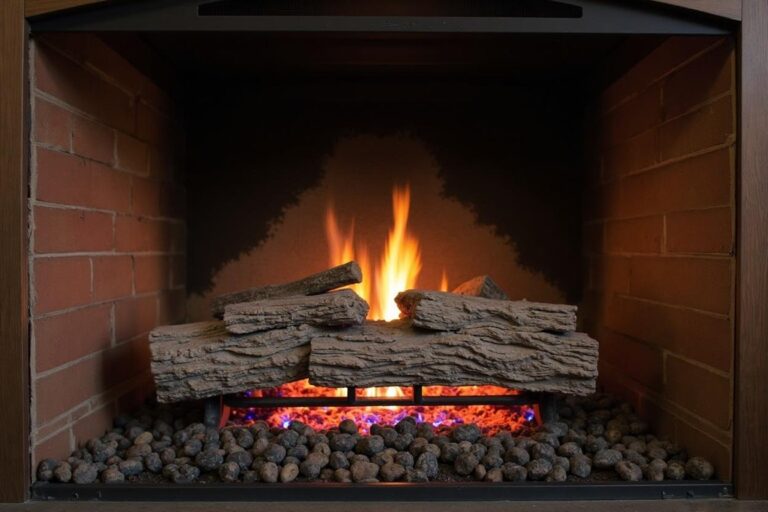
Choosing a Reliable Gas Log Fireplace Repair Company in Surprise AZ
Gas log fireplaces in Surprise, AZ see real use once the sun dips and the desert cools off. Homeowners want instant heat, low maintenance, and a clean flame. They also want safety and fast service when something feels off. Choosing the right repair company is not guesswork. It is a mix of credentials, local experience, and practical support that shows up when the fireplace refuses to light at 7 p.m. on a Friday. This guide explains how to spot a trustworthy team, which warning signs to watch for, what typical repairs cost and include, and why residents across Surprise, Sun City Grand, Marley Park, and Rancho Gabriela call Grand Canyon Home Services when they search “best gas log fireplace repair near me.”
Why choosing right matters for Surprise homeowners
A gas fireplace is an appliance, a gas line, and a ventilation system in one. It needs precise diagnostics and safe work. An inexperienced tech can guess and replace parts until the bill balloons. A qualified team follows a method, tests each component, and leaves the system clean, tuned, and safe. This difference shows on the first cold night of the season when the fireplace lights fast, burns steady, and doesn’t trip the carbon monoxide alarm.
The Surprise area has specific conditions that affect gas appliances. Monsoon dust, dry air, and occasional power surges all play a role. Companies that work here every week understand how a windblown pilot or a clogged vent cap can mimic deeper issues. Local knowledge saves time and avoids unnecessary parts.
Common symptoms and what they usually mean
A fireplace that refuses to light is the most common call in Surprise from October through February. The cause varies. A dirty pilot assembly is typical after a long summer off. Soot and dust collect around the pilot hood and thermocouple. When the pilot flame does not touch the sensor correctly, the gas valve will not open. Another frequent complaint is a main burner that lights but flickers or goes out after a minute. This often points to a weak thermopile, a misaligned flame, or a draft hitting the pilot flame through the firebox.
Blower noise is another issue. Many gas log sets use a simple fan kit that runs on a snap-disc temperature switch. Over time, bearings dry out and dust loads the blades. A loud hum or rattle usually ends with a fan replacement and a vibration check. Soot on glass is almost always an airflow problem or a misplaced log. Homeowners sometimes move logs while cleaning. Even a one-inch shift can change flame pattern and create soot. Glass haze that returns fast is also a clue of poor air mix or a vent issue.
Odors deserve quick attention. A slight new-plastic smell after a thorough cleaning is normal for a short run time. A persistent sulfur or rotten egg odor signals a gas leak and needs immediate service. Shut the gas valve, ventilate the room, and call for help. A skilled tech pressure-tests the line, checks joints with gas leak solution, and corrects the problem before relighting.
What a proper diagnostic visit looks like
A reliable company treats diagnostics as a process, not a guess. The visit should include a visual inspection of the firebox, burner, logs, glass, fireplace surround, and accessible venting. The tech verifies gas pressure at the valve, usually targeting manufacturer specs, often around 3.5 to 7 inches water column for natural gas depending on the model. He or she tests safety circuits: thermocouple, thermopile output in millivolts under load, and spill switches. If the unit uses electronic ignition, the tech checks the module, ground, flame sensor signal, and wire routing.
The pilot flame is adjusted to produce a stable, blue flame with a soft yellow tip that fully engulfs the thermocouple and thermopile. The tech cleans the pilot with compressed air and a soft brush, reinspects ports, and resets the shield if present. The burner ports get vacuumed, logs get repositioned per the manual diagram, and ember material gets refreshed to the recommended coverage. Glass is removed, cleaned with a non-abrasive fireplace cleaner, and reinstalled with intact gasket material. If the unit uses a remote or wall switch, the tech checks for voltage drop and poor connections. Finally, a combustion and draft check confirms steady flame, no whistling, no lift-off, and no spillage at the draft hood on a vented unit.
This sequence sounds simple, but it is where many quick fixes fall apart. Skipping one step can hide the true cause. A good Surprise-based team does the same disciplined routine on every visit.
Credentials that matter in Surprise, AZ
Homeowners should ask for licensing and insurance first. In Arizona, a company performing gas line work or fireplace repair should carry the appropriate state contractor license or work under one, depending on scope. That protects the home and sets a baseline for training. Liability insurance and workers’ compensation should be active, and the office should share proof without delay.
Technicians need practical experience on the exact type of fireplace. Gas log sets vary. Some are vented with a full chimney. Others are direct-vent sealed systems with a co-axial pipe through the wall. Vent-free units are restricted in many jurisdictions, and some older models remain in homes. Each type has different clearance rules and different ignition controls. Ask how many fireplaces the company services each season in Surprise and nearby neighborhoods. A number in the hundreds signals real familiarity. Ask if they carry common parts on the truck: thermocouples, thermopiles, ignition modules, fan kits, wall switches, gaskets, and flexible connectors. Fewer return visits mean faster heat.
Cost ranges and what drives them
Prices vary across the Valley, but clear ranges help. A diagnostic and cleaning visit for a gas log fireplace in Surprise usually falls between $149 and $289, depending on access, condition, and whether the tech needs to pull and clean the burner tray. Simple parts like thermocouples and thermopiles often add $60 to $180 for parts and labor. Electronic ignition modules typically add $200 to $450. A blower motor swap can run $250 to $600 depending on the kit and labor. Venting repairs vary widely. A bird guard or new termination cap might be $150 to $350. A flue liner issue costs more and requires a site-specific quote.
Pricing should be transparent. The company should present a written estimate before work and explain why each part is needed. Many homeowners appreciate photos of the pilot and burner condition, which a good tech can share from a phone or tablet.
Seasonal timing: why October tune-ups save money
Surprise moves fast from cool nights to quick fireplace use, often in October and November. Calling for a tune-up before the first cold snap avoids the rush. Dust from the summer monsoon season coats pilot assemblies and burner ports. Spiders build webs in vent caps. Batteries in remotes die after a long off-season. A preventive visit in early fall catches these items and reduces emergency calls later. Homeowners who schedule every year see fewer part failures. Thermopiles last longer when the pilot flame is clean and correct. The glass stays clearer. Fuel use drops slightly with proper air mixture, which shows up as a steadier flame and shorter run times.
Safety checks that should never be skipped
A thorough safety check includes gas leak testing at accessible joints, a soap solution test at the valve, and a sniff test after lighting. The tech should verify carbon monoxide alarms are present and functioning near sleeping areas and on each level. Even with a vented fireplace, an alarm belongs in the home. If the fireplace is direct-vent, the outdoor termination must be clear of debris and meet clearance to windows and soffits. If the unit uses a fan, wire routing must avoid sharp edges and hot surfaces. The glass on a sealed unit must latch fully. For vented log sets in open fireplaces, the damper must be permanently fixed in an open position to prevent gas build-up.
Technicians should also check manufacturer labels for model and serial numbers. Without these, parts ordering becomes guesswork. If labels are faded or missing, a skilled tech identifies the unit by control layout, burner shape, and valve type. That extra step prevents delays.
Choosing among companies: practical decision points
Surprise homeowners often search “best gas log fireplace repair near me” and find a long list. The good choices tend to have similar traits: fast scheduling, clear pricing, and direct communication. Reviews help, but read the content, not just stars. Look for mentions of clean work, photo documentation, and technicians by name. Pay attention to direct-vent expertise if that is the installed type. Ask about warranty terms on parts and labor. A one-year labor warranty on repairs is common and a sign the company stands by its work.
Availability matters. Gas fireplaces choose bad timing to fail. A company with evening slots or quick-turn service is valuable. Local dispatch in Surprise or close by means real response times, not a promise. The office should confirm appointment windows and provide arrival alerts. Homeowners appreciate a tech who arrives in uniform, protects floors, and leaves the glass and surround cleaner than he found them.
Repair versus replacement: a level-headed approach
Most gas log fireplaces are worth repairing. Many run well past 15 years with modest parts and routine cleaning. Replacement makes sense when the firebox rusts out, the valve body fails on a discontinued unit, or the system cannot meet current ventilation standards. Some older vent-free units have parts that are no longer available. A direct-vent conversion or a full insert upgrade may be smarter at that point. An honest company presents both options with real numbers: total repair cost today, likely future parts, and a replacement quote that includes venting, surround trim, permits if needed, and the first-year service.
In Surprise, homeowners often choose repair when the cost is under a third of a new insert, especially if the unit still fits the room style. Replacement becomes attractive when the glass is pitted, the logs are crumbling, and the valve and ignition both show age. An experienced tech will weigh flame quality, heat output, and aesthetics along with cost.
What sets a dependable local team apart
Grand Canyon Home Services focuses on gas log fireplace repair across Surprise, Sun City Grand, Asante, Marley Park, Sierra Montana, and surrounding communities. The company invests in ongoing training for gas controls and direct-vent systems, keeps common parts on the truck, and follows a fixed diagnostic routine. Homeowners see the difference in fewer callbacks and clean, steady flame patterns after the visit. This is not luck. It is a method built for the dust, wind, and seasonal swings of the West Valley.
The team treats small issues with respect. A weak pilot or a rattling blower seems minor, but those simple fixes restore comfort and prevent bigger problems. On every job, technicians show the homeowner what changed. They explain flame pictures, pilot coverage, and how log placement affects soot. The office follows up, not just to ask for a review, but to confirm the fireplace ran correctly on the next use.
A quick homeowner checklist before calling
- Verify if the gas shutoff valve to the fireplace is open and the propane tank or gas service is active.
- Replace remote or wall transmitter batteries and check the receiver switch position.
- Make sure the glass is latched or the screen is seated and the damper is open for vented log sets.
- Confirm no recent painting or aerosol use near the pilot, which can leave residue on sensors.
- Take a photo of the model and serial tag if visible to speed parts matching.
These simple checks solve a small share of no-heat calls and make the service visit faster when a tech is needed.
What to expect during a service visit in Surprise
Homeowners can expect a 60 to 120-minute visit for most repairs and cleanings. The tech will lay down floor protection, remove glass, photograph current log placement, and vacuum the firebox. Compressed air clears pilot ports and burner channels. Thermopile output will be tested under flame to confirm it meets spec, often above 300 millivolts when healthy. If output is low, the tech decides whether cleaning and realignment restore it or if a replacement is best. The control valve gets inspected for leaks and proper operation. Log placement is reset per the diagram to avoid cross-lighting and soot. The flame is adjusted to a stable, bright pattern without lift-off. The glass is cleaned and reinstalled with a good seal. Finally, the tech cycles the fireplace several times and reviews safe operation with the homeowner.
If parts are needed and not on the truck, the office provides an ETA and a firm price. For most common models, parts are available the same or next business day. Older or discontinued units may take longer. Clear updates and appointment options reduce the stress of waiting.
Real examples from Surprise area homes
In Marley Park, a homeowner reported a flame that went out after two minutes. The thermopile measured 180 millivolts under load, and the pilot flame barely touched the sensor. After cleaning the pilot and adjusting the flame, output rose to 520 millivolts. The burner stayed lit, and no parts were needed. In Sun City Grand, another client had soot streaks on the glass. The logs were reversed from a previous cleaning and blocked air channels. Repositioning the logs and refreshing the ember bed cleared the issue. In Rancho Gabriela, a blower rattled and pulsed. The fan motor showed worn bearings. A new fan kit and foam isolation pads fixed the noise and improved heat circulation.
These are typical West Valley outcomes: quick, methodical work that restores heat without guesswork.
How to extend the life of a gas log fireplace
Routine cleaning and correct use make the largest difference. Run the fireplace for 20 minutes every month in the off-season to keep the pilot area dry and the valve internals moving. Keep aerosol sprays and strong cleaners away from the firebox and intake. Use only manufacturer-approved ember material and logs. Avoid moving logs during dusting. If the glass fogs or hazes, use a fireplace-specific cleaner and a soft cloth. Have a pro check the system yearly if the fireplace is a primary heat source, or every other year if it is used occasionally.
If the home uses propane, watch tank levels during cold weeks. Low pressure can mimic a failing valve. If the home had remodeling work, especially new windows or range hoods, ask for a combustion air and draft check. Tighter homes change airflow, which affects venting.
Why local matters for Surprise searches and service
Typing “best gas log fireplace repair near me” into a phone pulls up a map of options. Proximity helps, but local experience wins. A Surprise-based team knows the difference between a unit that lives in a dust-prone patio room versus a sealed living room. They carry termination caps that fit the common direct-vent brands installed in the early 2000s surge of West Valley construction. They have climbed the same tile roofs. They know which community guidelines affect exterior vent changes. That know-how trims time and reduces surprises on the invoice.
Straight answers to common questions
Homeowners often ask if a gas log fireplace can run with the glass removed. On a sealed direct-vent unit, the answer is no. The glass is part of the combustion system. Removing it causes poor combustion and can release fumes into the room. On a vented log set in an open fireplace, the glass doors can be open during use if the manufacturer allows it, but the damper must be fixed open. Another question is whether a faint gas smell is normal at startup. A brief whiff at lighting can happen, but a lingering odor means the system needs service. Turn it off and call.
People also ask about energy use. Gas log fireplaces vary widely, often 20,000 to 40,000 BTU Grand Canyon Home Services Grand Canyon Home Services: best gas log fireplace repair per hour. Running for two hours can equal a day of furnace use. That is why a clean, efficient flame matters. A well-tuned unit warms the room faster and cycles less.
The Grand Canyon Home Services difference
Grand Canyon Home Services focuses on clear communication and dependable work. The team schedules fast, arrives prepared, and respects the home. Technicians explain findings in plain language and share photos so homeowners can see what changed. The company services Surprise, Sun City Grand, Marley Park, Asante, Sierra Montana, Rancho Gabriela, and nearby neighborhoods daily, which shortens response times and improves parts access. The goal is simple: a safe, reliable flame when the house needs it.
Homeowners who want a steady fireplace this season can call or book online for a diagnostic and cleaning. Whether the issue is a pilot that will not stay lit, a sooty glass, or a blower that rattles, the visit follows a proven checklist and ends with clear results and a fair price.
Ready for reliable heat in Surprise?
If the search is on for the best gas log fireplace repair near me and the home is in Surprise or the surrounding communities, Grand Canyon Home Services is ready to help. The office can schedule same-week visits during peak season and often same-day for no-heat calls. A short conversation confirms the model, symptoms, and access. From there, the team brings the right parts, restores safe operation, and leaves the fireplace clean and steady.

Call today to schedule service, request a quote, or set up a preseason tune-up. A dependable gas log fireplace makes cool Arizona nights comfortable. A dependable local company makes it simple.
For more than 20 years, Grand Canyon Home Services has been the trusted choice for heating, cooling, plumbing, and electrical work in Surprise, AZ. Our team is committed to reliable service delivered with honesty and care, always putting your comfort first. From routine maintenance and repairs to system upgrades and installations, we provide safe and dependable solutions tailored to your home’s needs. Customers count on us for clear communication, free second opinions, and service that treats every household like family. When you need HVAC, plumbing, or electrical services in Surprise, Grand Canyon Home Services is ready to help. Grand Canyon Home Services
15331 W Bell Rd Ste. 212-66 Phone: (623) 444-6988 Website: https://grandcanyonac.com/surprise-az Instagram: https://www.instagram.com/grandcanyonhomeservices/ X (Twitter): https://x.com/GrandCanyonSvcs
Surprise,
AZ
85374,
USA